Balaghat, Madhya Pradesh: The youngsters dying in India’s distant tribal heartland
As soon as the outbreak was recognised, well being staff started door-to-door screening in affected villages. Cellular medical items carrying oxygen, nebulisers, suction gear, malaria checks and medicines visited greater than 20 affected villages.
One cell physician, Neeraj Sharma, says groups routinely noticed greater than 50 sufferers a day, about half of them kids. They performed 10 or extra malaria checks each day, generally discovering two optimistic circumstances a day.
Greater than 6,200 sufferers – largely kids – had been ultimately handled at house, in line with Gautam. Greater than 630 had been referred to district hospitals. About 600 returned house, whereas round 30 stay admitted.
Vaccination turned an emergency response. Though official data recommended 90-95% protection in some areas, well being staff discovered kids with out data and households reluctant to vaccinate.
Authorities subsequently supplied the measles-rubella (MR) vaccine to all kids underneath 15, no matter recorded standing. Of about 40,000 kids recognized in Birsa, roughly 27,000 had been vaccinated, Gautam mentioned. Of the realm’s 180 villages, some 67 are predominantly Baiga and among the many most weak.
However vaccination is just one a part of the safety kids want. There are wider questions on whether or not fundamental diet and different well being providers are reaching these most in danger.
A 2024 audit by India’s Comptroller and Auditor Common discovered “severe irregularities”, exterior in Madhya Pradesh’s distribution of take-home rations meant to complement the diets of youngsters aged six months to a few years, pregnant ladies and lactating moms, together with issues with beneficiary identification, manufacturing, transport and distribution.
The outbreak has now subsided. Officers say the final youngster loss of life was greater than two weeks earlier than their late-September evaluation, whereas groups proceed visiting villages. In Kundekasa, a medical camp that after noticed about 120 kids a day was seeing fewer than 10.
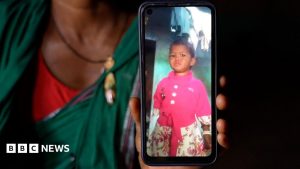
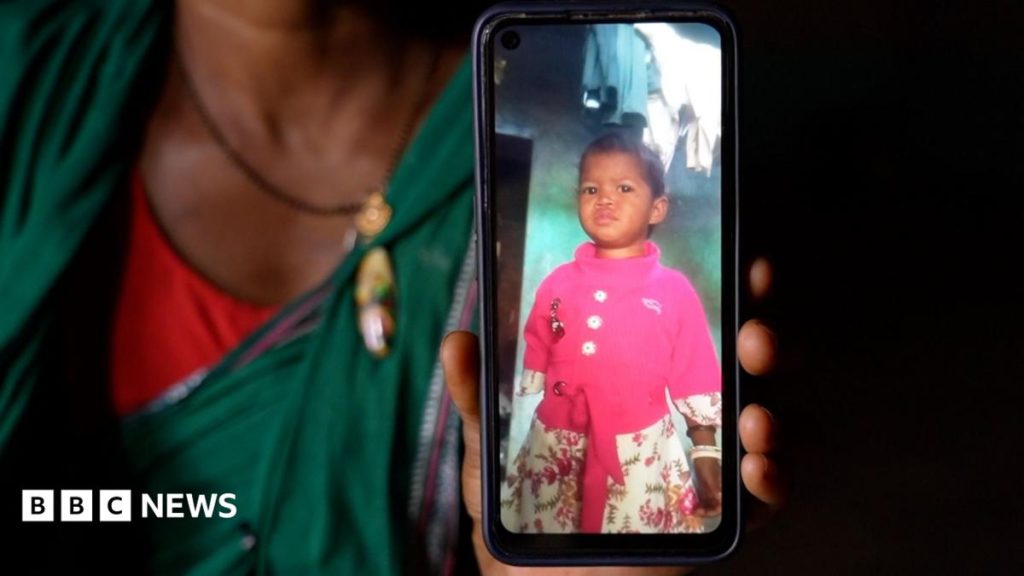
Again in Matla, Bamita’s mom speaks in regards to the youngster who would ask for cash for snacks, play along with her sister and run inside every time automobiles approached as a result of automobiles frightened her.
“I had hope she’d research and make one thing of herself. I by no means regretted I did not have a boy,” Koushila says.
Then she seems at Ankita, the surviving sister.
“I need extra youngsters,” she says. “I really feel alone. Ankita is alone. She retains crying for her sister.”
 Summarize this article with: