Zimbabwean creator Simbarashe Kundizeza denies utilizing AI to jot down Caine Prize-winning story
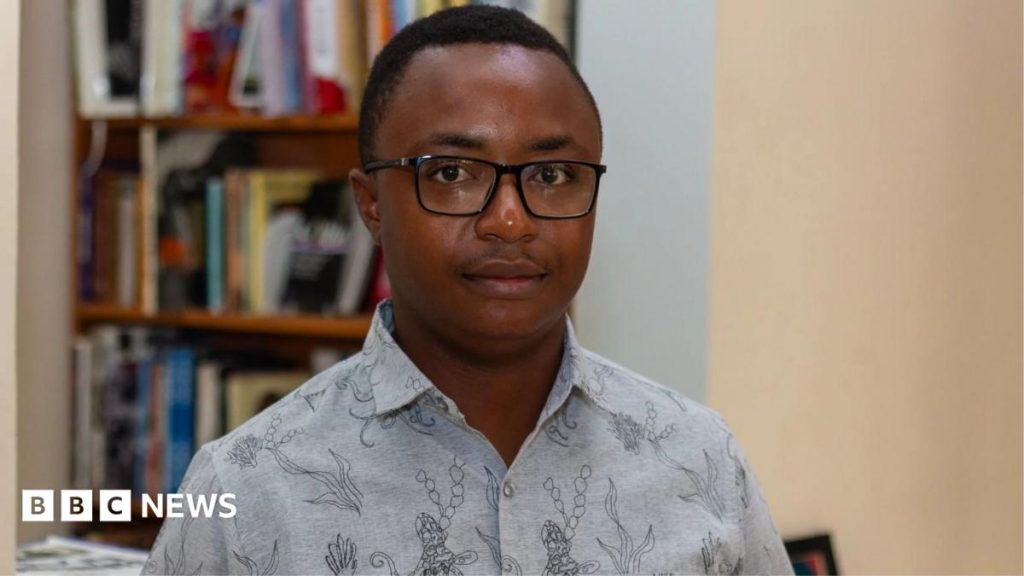
Zimbabwean author Simbarashe Kundizeza has denied utilizing synthetic intelligence (AI) to jot down his brief story, which received this yr’s Caine Prize for African Writing.
His assertion comes per week after he scooped the £10,000 ($13,000) award and a latest article in The Atlantic stated AI-detection software program Pangram had proven his work a couple of boy whose household falls on exhausting occasions was solely AI generated.
“For the avoidance of doubt, I wrote The Blue Fighter,” he posted on X, exterior.
The accusation has brought about an uproar on social media and Caine Prize chair Ellah Wakatama advised the BBC she was shocked that the US journal had not waited for a full investigation earlier than publishing.
“I do want The Atlantic had spent extra time investigating this in order that alongside Pangram, they did have proof of actual human investigation of it earlier than tainting the prize and tainting this winner,” Wakatama advised the BBC’s Entrance Row programme.
The chair of the Caine Prize’s board of trustees stated she had been contacted on Friday concerning the allegation and Vauhini Vara’s article – But One other Prizewinner Appears to Be AI, exterior – had been revealed on Sunday.
It follows rows over different literary prizes this yr, specifically the Commonwealth Quick Story Prize, which was received by Trinidadian author Jamir Nazir regardless of allegations that he had used AI, and the withdrawal of Canadian-Haitian creator Thélyson Orélien from France’s prime literary award, the Goncourt, over allegations he used AI for his first novel, which he denies.
Vara, who quoted Wakatama in her article, stated her wariness of Silicon Valley was “properly based and cheap” however she stated Pangram’s inside analysis confirmed its assessments had been not often incorrect.
The backlash to the article on social media has included feedback from African writers with options that such accusations are primarily being made towards non-white writers.
Wale Lawal, the Nigerian founding father of The Republic journal, known as out The Atlantic article for being “loopy, racist and wildly unethical”, exterior.
Zimbabwean author Joe Ruzvidzo, whose novel Welcome to Anyplace got here out final yr, stated he stood by Kundizeza and that it was time “to combat this literary stop-and-frisk”, exterior.
Nigerian writer Modupe Daramola stated it was essential to debate how “these AI allegations are focusing on Black and African writers” and the way they had been typically disproportionately scrutinised.
“There’s one thing extremely sinister about this,” the Noisy Streetss Restricted writer posted on X, exterior.
“Pangram is itself AI-powered. Why ought to its evaluation be handled as definitive?” she added.
Wakatama stated as a part of an inside investigation for the Caine Prize Kundizeza can be sending in documentation about his numerous drafts and there have been ongoing conversations with all of the judges and The Shallow Tales Evaluate, the publication that first revealed The Blue Fighter in 2025, exterior.
In his assertion, Kundizeza stated had “a concrete, documented historical past” concerning the story’s inspiration and he set out the chronology of its improvement.
Wakatama, who can be editor-at-large at Canongate Books, stated Caine Prize submissions, that are all beforehand revealed, weren’t checked for AI, however writers vouched that their work was authentic.
She added that she was not towards utilizing AI per se to test entries, however she was “towards is it getting used as a last arbiter on this case”.
 Summarize this article with: